
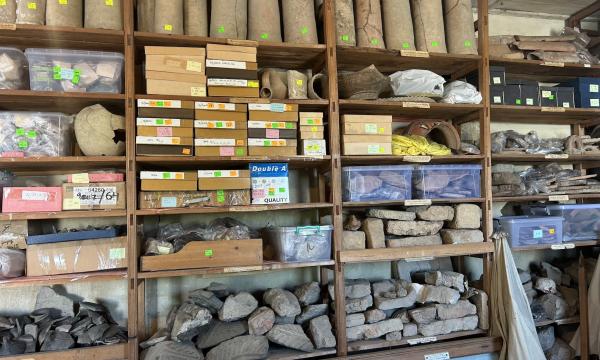
The visit of the Italian Ambassador to Armenia, H.E. Alessandro Ferranti, marked the successful completion of the first campaign dedicated to the three-dimensional documentation of archaeological artifacts from the ancient city of Dvin, the medieval capital of Armenia. The Ambassador’s presence highlighted the importance of cultural and scientific cooperation between Italy and Armenia and reaffirmed the role of archaeology as a bridge for dialogue, friendship, and international collaboration.
A Project for Heritage Protection and Sustainable Development
The digitization campaign was carried out within the framework of the ArcheTourDev project, an international development cooperation initiative funded by the Italian Agency for Development Cooperation (AICS). The project is implemented by the University of Florence for the Ministry of Education, Science, Culture and Sports of the Republic of Armenia, under the coordination of the Italian Embassy in Yerevan.
Led by SAGAS – the Department of History, Archaeology, Geography, Art and Performing Arts of the University of Florence – the project brings together prestigious partners, including the Opificio delle Pietre Dure and ISMEO (the International Association for Mediterranean and Oriental Studies). ArcheTourDev operates across the archaeological sites of Dvin, Garni, and Aruch, promoting research, conservation, and heritage enhancement.
International Team Documents Medieval Artifacts
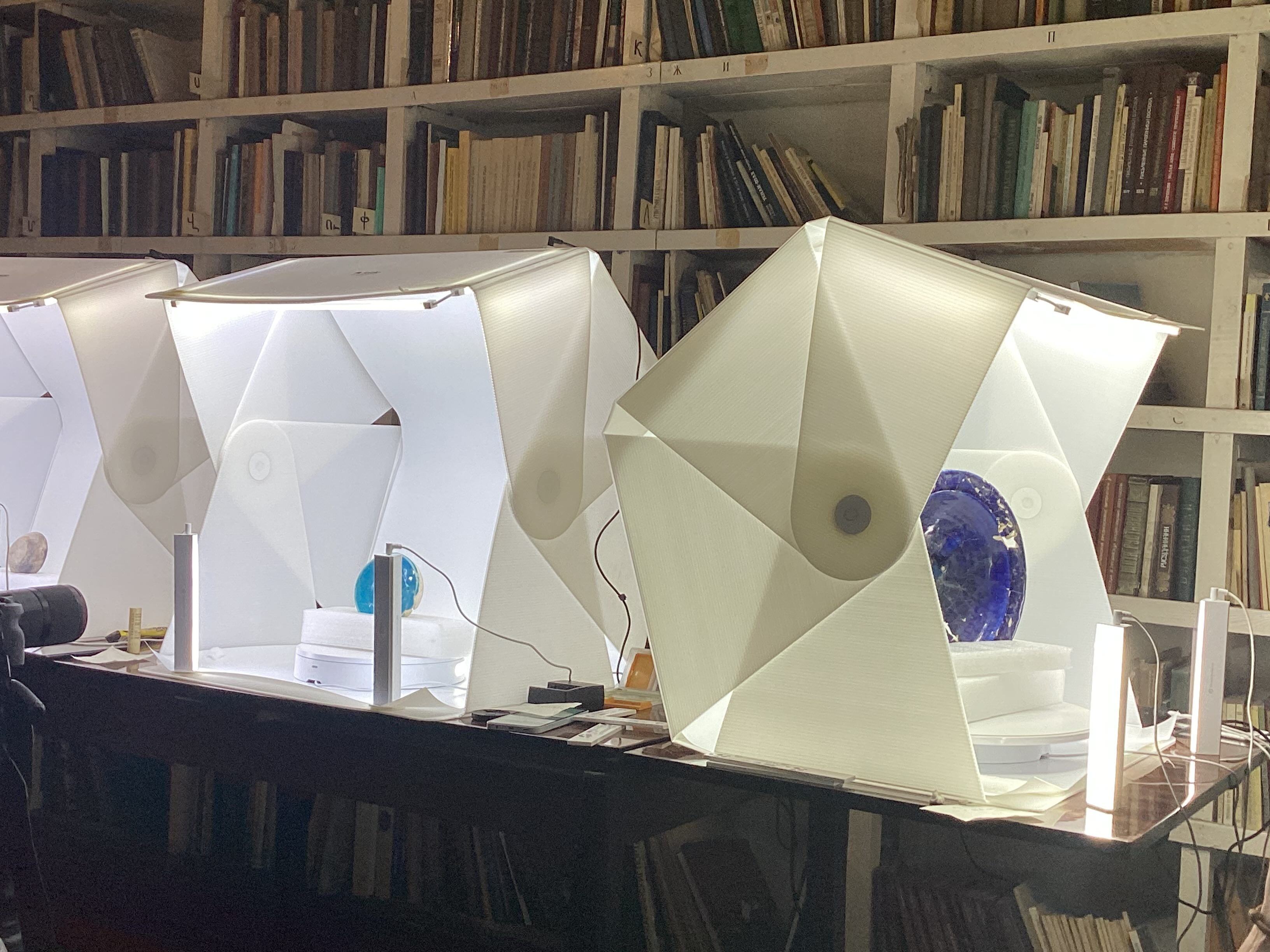
Between 7 and 14 June 2026, a joint Italian-Armenian team conducted an intensive campaign to digitally document a selection of archaeological finds preserved in the Dvin dig-house. The activities were coordinated by Elisa Pruno, researcher in Medieval Archaeology at the University of Florence, and Tatiana Vardanesova, researcher at Yerevan State University, in collaboration with specialists from Global Digital Heritage.
By the end of the mission, approximately 350 artifacts had been digitized. Dating between the 9th and 13th centuries, the collection includes tableware, glazed ceramics, storage vessels, amphorae, cooking utensils, oil lamps, kiln waste, and other objects that reflect the daily life and craft production of one of the most important urban centers of the medieval Caucasus.

Preserving Memory Through Digital Technologies
According to Elisa Pruno, digitization represents a fundamental tool for both the protection and enhancement of archaeological heritage. The creation of highly accurate three-dimensional records ensures that the physical characteristics of each artifact are preserved even in the event of damage or loss.
Digital documentation complements traditional archaeological methods, such as cataloguing and hand-drawing artifacts. By moving from two-dimensional illustrations to three-dimensional models, researchers can obtain more detailed and precise information while preserving the visual appearance of each object.
Photogrammetry and Laser Scanning in Action
The campaign employed two complementary technologies to create digital replicas of the artifacts. Photogrammetry involved capturing hundreds of photographs from different angles and using specialized software to reconstruct detailed three-dimensional models. These models were then enhanced with the original photographic textures of the objects.
Laser scanning was also used to record the geometry of the artifacts with exceptional precision. Together, these technologies provide researchers with accurate digital resources that can support future studies, conservation efforts, and educational initiatives.
Toward a Complete Digital Catalogue of Dvin
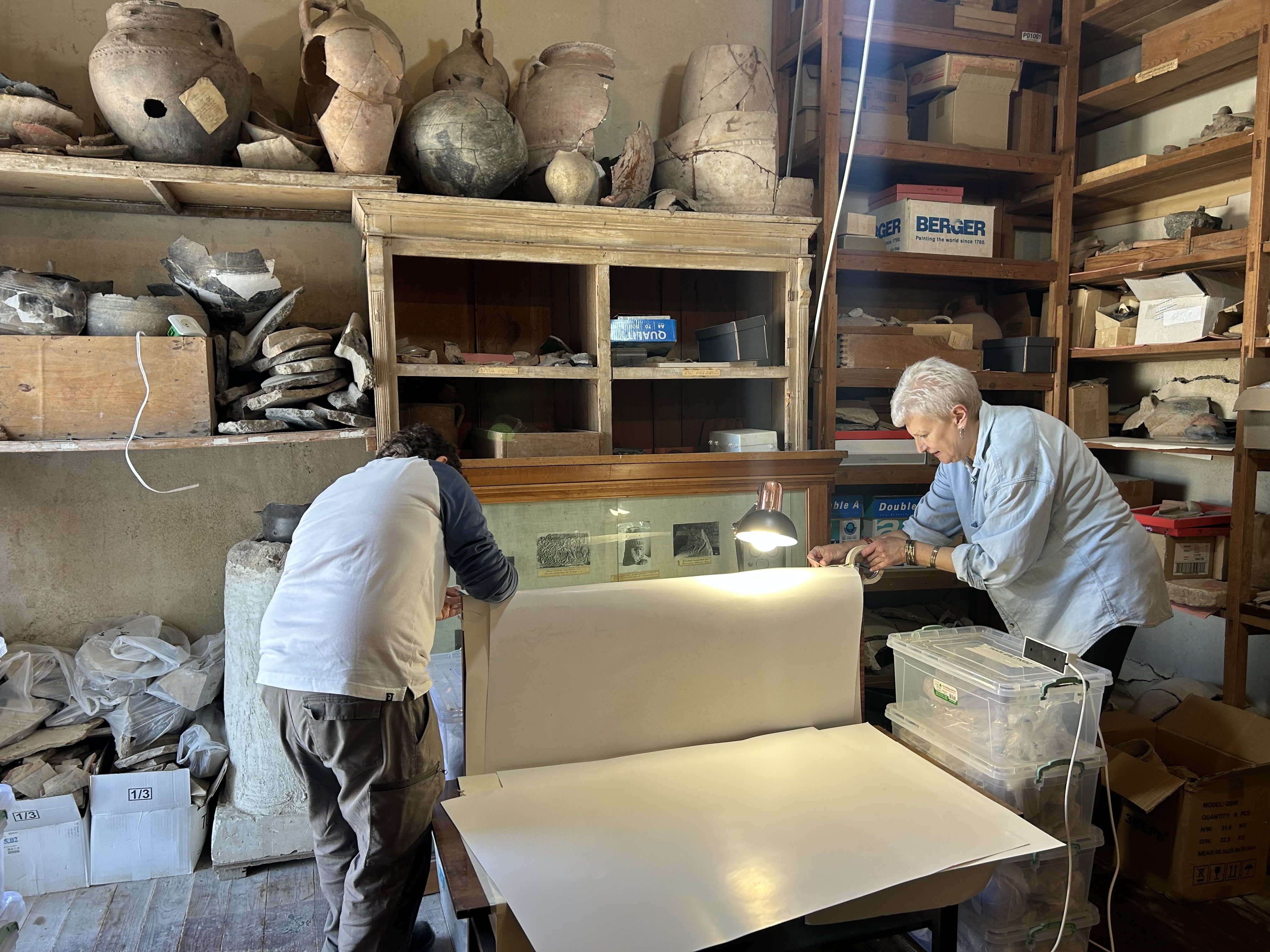
The campaign represents the first stage of a broader program aimed at creating a complete digital archive of the archaeological materials preserved in the Dvin dig-house. A second mission is planned to continue the documentation process and complete the digital cataloguing of the collection.
The initiative is closely connected to future restoration and enhancement projects planned for the historic dig-house complex, including improvements to its library, research facilities, and archaeological storage spaces.
Making Dvin Accessible to the World
One of the main goals of the project is to make Dvin’s extraordinary cultural heritage accessible to a wider audience. Once the processing of the digital models is completed, new tools will be developed to allow scholars, students, and the general public to explore the artifacts virtually.
By overcoming geographical barriers, digital technologies offer new opportunities for sharing knowledge and promoting awareness of Armenia’s rich archaeological heritage on an international scale.
Strengthening Italian-Armenian Scientific Cooperation
The digitization campaign forms part of the Italian-Armenian Archaeological Mission at Dvin, promoted by the University of Florence, Yerevan State University, and the Institute of Archaeology and Ethnography of the National Academy of Sciences of the Republic of Armenia.
Directed by Professors Hamlet Petrosyan and Michele Nucciotti, the mission combines archaeological research, training, and technological innovation. Through initiatives such as ArcheTourDev, the project contributes not only to the preservation of Armenia’s cultural heritage but also to the strengthening of scientific and cultural relations between Italy and Armenia, confirming the enduring value of archaeology as a tool for international cooperation and dialogue.